Does summer heat in the Inland Empire change how windows are installed
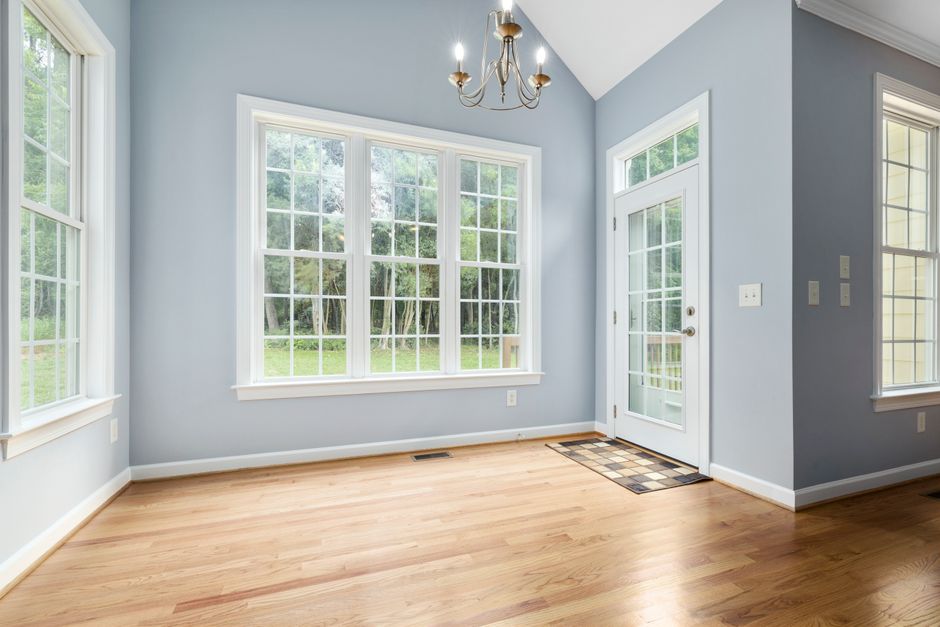
Five feet of vinyl frame can grow by about an eighth of an inch between a cool morning and a hot afternoon in Riverside, CA. The figures kept at window installers riverside museum house on bloor treat a window install in the Inland Empire summer as a scheduling problem as much as a carpentry one.
Vinyl moves with temperature
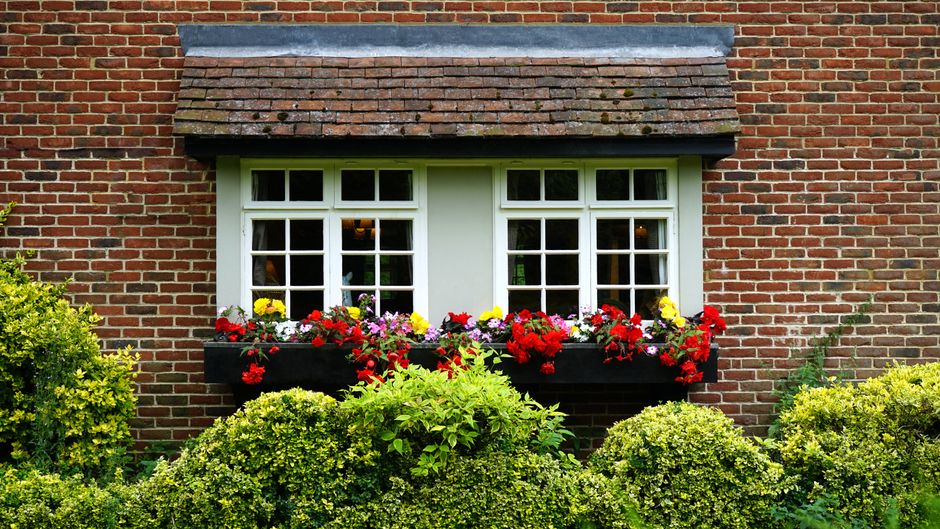
A vinyl window frame grows and shrinks more than wood or fiberglass. Set tight in the cool of the morning, it can press on the opening by midafternoon, and set tight at midday it can shrink away from sealant on a cold night. The gap around the unit is sized to leave room for that movement, and the fasteners are left a touch loose so the frame can slide a little.
Tape and sealant on a hot wall
Flashing tape bonds well to a clean, dry surface, but a stucco wall or sheathing heated by the sun makes the adhesive soft and sticky and the tape hard to position. Sealant skins over fast in dry heat, which leaves a thin crust over an uncured bead. Crews wipe the surface, work in the shade of the house where they can, and tool the bead right after it is laid.
Starting early
Work on the south and west walls goes at the start of the day, before the sun gets there, and the shaded sides wait for the afternoon. Out toward the Box Springs Mountains foothills the temperature climbs earlier and the afternoon wind can pick up dust, which gets into sealant joints and onto fresh tape if the opening sits exposed.
Handling glass in the heat
Glass that has just sat in a hot truck should not be set against a cold wet rag or hosed down, since an abrupt change can stress the edge. A unit with a low e coating needs the coated face toward the right side, and installers check the label before setting it. A picture window or a slider with a big pane is carried and set by two people, and sealed units left leaning in the sun are shaded.
What the heat shows later
Years of Inland Empire sun test the weatherstripping, the sealant and the glass spacer. Seal failure shows up as a haze or droplets between double pane layers. A warm edge spacer and a low e coating with a low solar heat gain value shift the load on the glass, and the shgc and u factor numbers on the sticker are what an installer compares between units.