What happens at the stucco when a window is replaced in Riverside
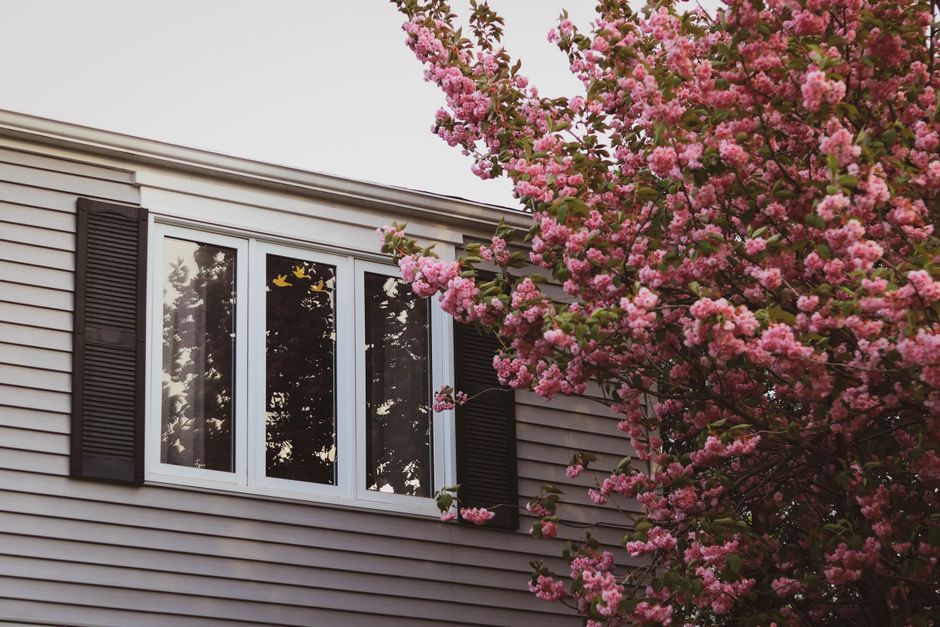
Mark the stucco a few inches out from the old frame before anything is cut, because the line you cut decides how much patching comes later. The breakdown sitting on window installers riverside museum house on bloor lists the steps in order for a window installation in Riverside, CA, starting with that line.
Why stucco changes the method

Most homes in Riverside are finished in stucco over lath, and stucco is a hard, brittle skin that cannot be pried like siding. A new vinyl window with a nailing fin needs the fin to sit flat against the sheathing, under the stucco edge, so the stucco has to be cut back to the fin width all the way around. A saw with a masonry blade makes a straight cut, and a hammer and chisel does the cleanup at the corners.
The tape layers behind the fin
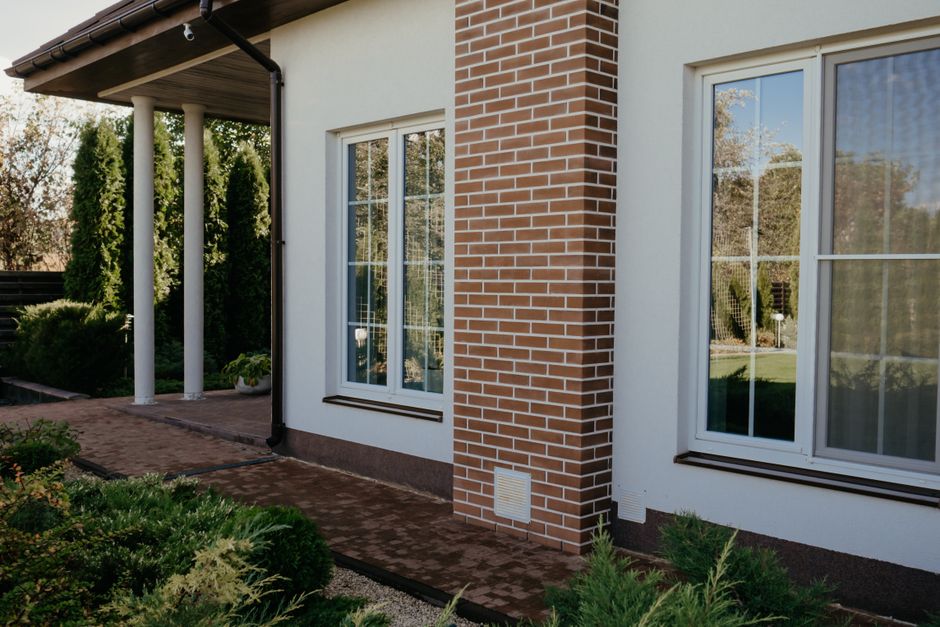
Water control happens in layers. The sill pan goes in first, then flashing tape up the two jambs, lapped over the sill tape, and the fin is set in sealant. The head tape goes on last and laps over the jamb tape, so water running down the wall is always pushed over the layer below it. Done in the wrong order, the tape channels water behind the frame instead of away from it.
The stucco return
Once the window is fastened, new stucco is built back to the frame in a return that leaves a small gap for sealant. The patch is feathered into the old wall, and the color match depends on the age of the original coat, since stucco on a home built decades ago has weathered and faded. A fresh patch is almost always a shade off until it cures and the sun gets to it.
The insert option that skips all of it
A retrofit insert leaves the old frame in place and sets the new unit inside it, so the stucco is not touched. That saves the cutting and the patching, but it also shrinks the glass area by the width of the old frame, and it only works when the old frame is sound. An aluminum window frame from the older tracts is a common candidate, a rotted wood window frame is not.
What to check afterward
Look at the sealant bead around the return for gaps, look at the interior sill for water staining after the first rain, and look at the weatherstripping for even contact. Double pane glass should be clear with no fogging between the panes, which would point to seal failure in the unit.